

Clean data flows and smart bid logic form the core of modern paid ad control. In other words, it’s a system that makes ads smarter. Brands want speed and clear results from clicks that feel intentional. This is where paid search tactics step in as a practical system that guides ads through user intent and relevance. Strong marketing efforts rely on simple rules and precise execution. The goal stays direct: show the right message to the right user at the right moment. This article will break down proven methods that keep budgets efficient and results stable. You’ll get to see how small changes in structure and data use can lift performance.
Smart Use Of CRM Data For Better Ad Precision
Customer data holds real power when it feeds your ad engine with clean, current signals. A CRM system gives you this power in a practical way. You can segment users through various categories such as past purchases, recent visits, or level of interest. These segments will then guide your keyword choices and ad copy. You want to send stronger messages to users who already show intent.
Paid search success depends on analyzing user behavior at a granular level. Scroll depth, page visits, time on site, and form actions all reveal silent patterns. A smart setup uses these patterns to adjust bids and refine audiences. It also helps you place focus on ads that convert without wasting effort on users who simply browse. This approach creates less friction, fewer wasted clicks, and more meaningful traffic.

A CRM system gives you control by segmenting users based on behavior and interest.
Creative Structures That Make Ads Feel Human
Ad text should follow a clean subject-verb-object rhythm, yet sound alive. This balance builds trust fast. A strong tactic is to write headlines that answer one clear question in the user’s mind. Another smart move is to match ad language to the exact phrase that users type. This reduces mental strain and increases click confidence.
Visual extensions also play a role. Sitelinks, callouts, and structured snippets can guide the eye in quiet ways. Each one should offer a single, clear promise. You can test different emotional tones across ad groups, even within strict technical rules. Humor works when it stays light and precise. Curiosity works when it stays honest. The key is to treat ads as tiny conversations, not banners that shout.
Auction Logic And Budget Control That Work Quietly
Forbes has noted that pay-per-click advertising is an auction-based bidding system, and it can be a cost-effective way to reach a new audience at the exact moment they’re looking for the products or services you offer. This system is very practical. You set a maximum bid, your competitor sets one too, and the platform ranks ads based on relevance and bid strength.
The benefit feels real. You only pay when someone clicks. You appear exactly when intent exists. The traffic to your site increases your brand awareness and can help increase your sales. A practical insight here is to adjust bids based on time of day and device type. Mobile traffic during lunch hours often converts better for local services. Desktop traffic late in the evening often works better for higher-value products.
Middle Funnel Mastery With Simple Behavioral Triggers
In the middle of a campaign, paid search tactics perform best when they react to behavior that shows hesitation or curiosity. A user who visits a pricing page twice sends a clear signal. A user who abandons a cart sends another. You can create remarketing lists based on these actions and serve tailored ads that answer specific doubts.
A useful technique is to build separate ad groups only for users who have interacted with support pages or FAQ sections. These users often need clarity, not discounts. By adjusting message tone and landing page flow, you can shorten their decision time. This step doesn’t require complex tools, but focused tracking and clean audience logic. The result is better timing, calmer users, and higher intent traffic.
Landing Page Engineering That Supports The Click
A great ad fails if the landing page feels slow or unclear. Speed matters. Structure matters. Each landing page should answer three questions within the first scroll. What is this? Why should I care? How do I act? This clarity reduces bounce rates and improves ad quality scores, which lowers your cost per click.
Another strong idea is to align headline wording with ad headline wording. This creates a smooth mental bridge for the user. Forms should feel light. Buttons should use clear verbs. Color choice should guide attention without causing stress. Small changes, such as reducing form fields or adding trust signals, can increase conversions and help you unlock your business in subtle but powerful ways.
Continuous Testing With Calm, Measured Iteration
Testing works best when it follows a steady rhythm. One variable at a time keeps data clean. You can test headlines, descriptions, or landing page elements in short cycles. The goal is learning, not chaos. A simple spreadsheet can track wins and losses without heavy software.
Budget control also benefits from this calm structure. Shift slowly. Pause weak performers without emotion. Scale winners with steady steps. This process creates a stable growth curve that avoids sudden drops. A quirky but effective mindset helps. Treat your campaign like a living machine that likes small adjustments and clear instructions.
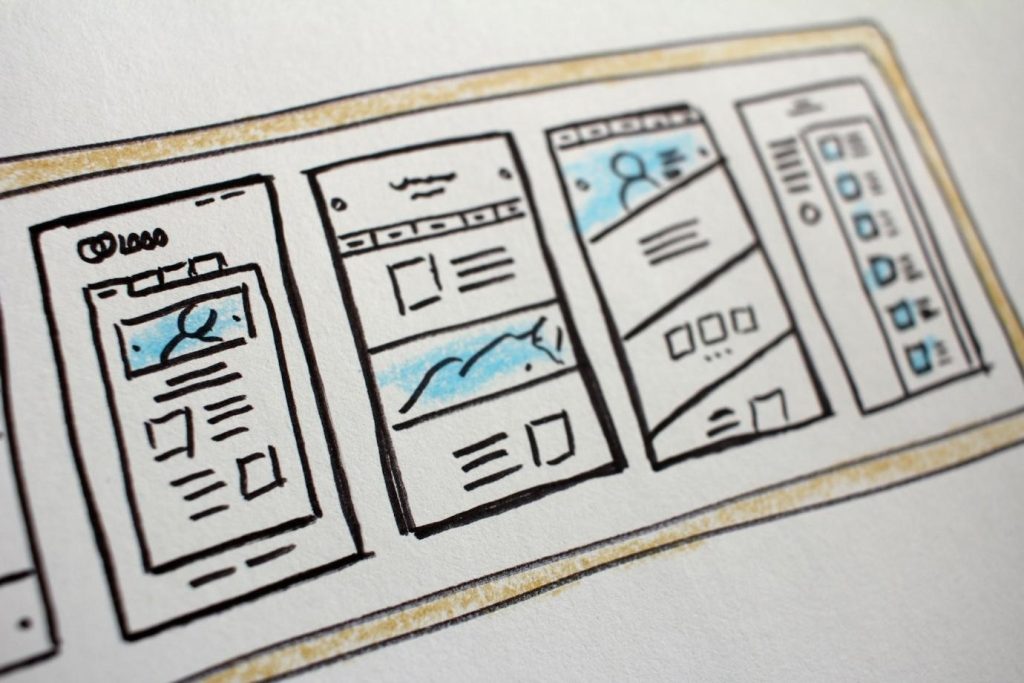
You can test headlines and landing pages in short cycles.
Clean Automation That Feels Under Control
Automation works when it follows rules you set in advance. Smart bidding strategies can adjust bids in real time based on device, location, and user history. Scripts can pause underperformers or raise bids during peak hours. The key is restraint. Automation should assist, not replace thinking.
A strong insight is to pair automation with manual reviews. Weekly checks keep errors small. Alerts can flag sudden drops in performance. This mix of system logic and human oversight keeps campaigns stable. It also prevents wasted spending from running unnoticed.
Conclusion: Precision Wins With Consistent Structure
Success in competitive ads comes from calm control, clean structure, and continuous learning. Smart data use, focused creativity, and steady testing build digital campaigns that last. Strong systems don’t rely on tricks. They rely on clarity, timing, and honest signals. In this framework, paid search tactics stand as a practical method to beat competitors through precision rather than noise. Each action you take should feel intentional, supported by data, and easy to repeat. This approach keeps budgets efficient, clicks valuable, and results predictable, while still leaving room for clever ideas to shine.



No Responses